
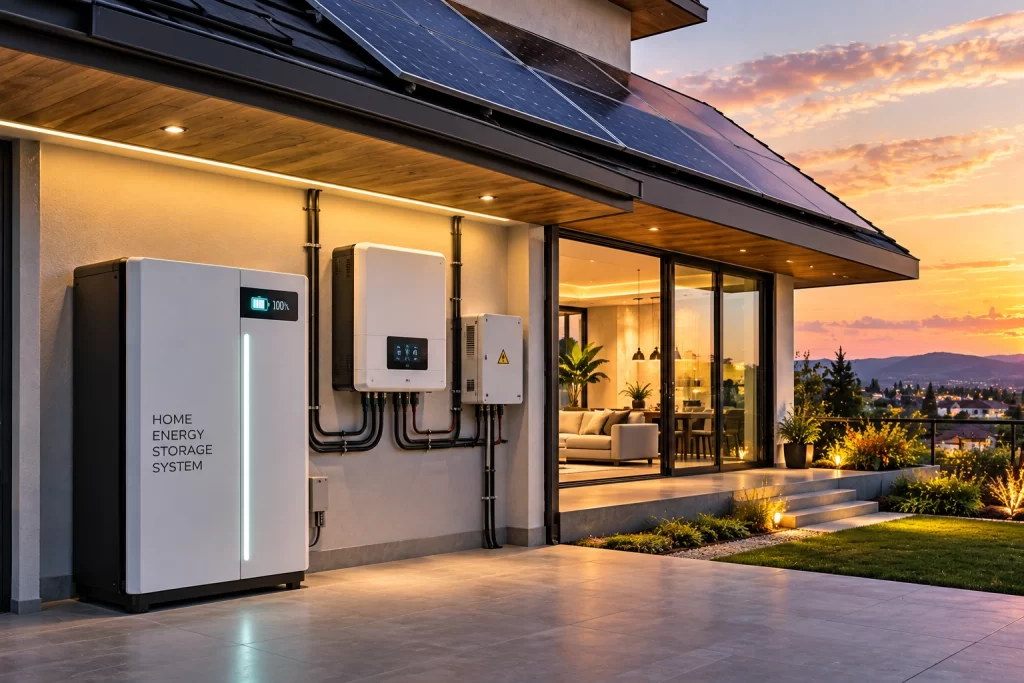
Picking a battery for your home used to mean choosing between a handful of similar-looking boxes. That is no longer the case. Today’s home energy storage battery market includes a wide range of capacities, chemistries, and features, which is great for buyers but can also make the decision harder. Whether you already have solar panels or are simply looking for reliable backup power, this guide walks through what actually matters when choosing a system, so you end up with a battery that fits your home instead of one that just fits your budget on paper.
Start With Your Actual Power Needs
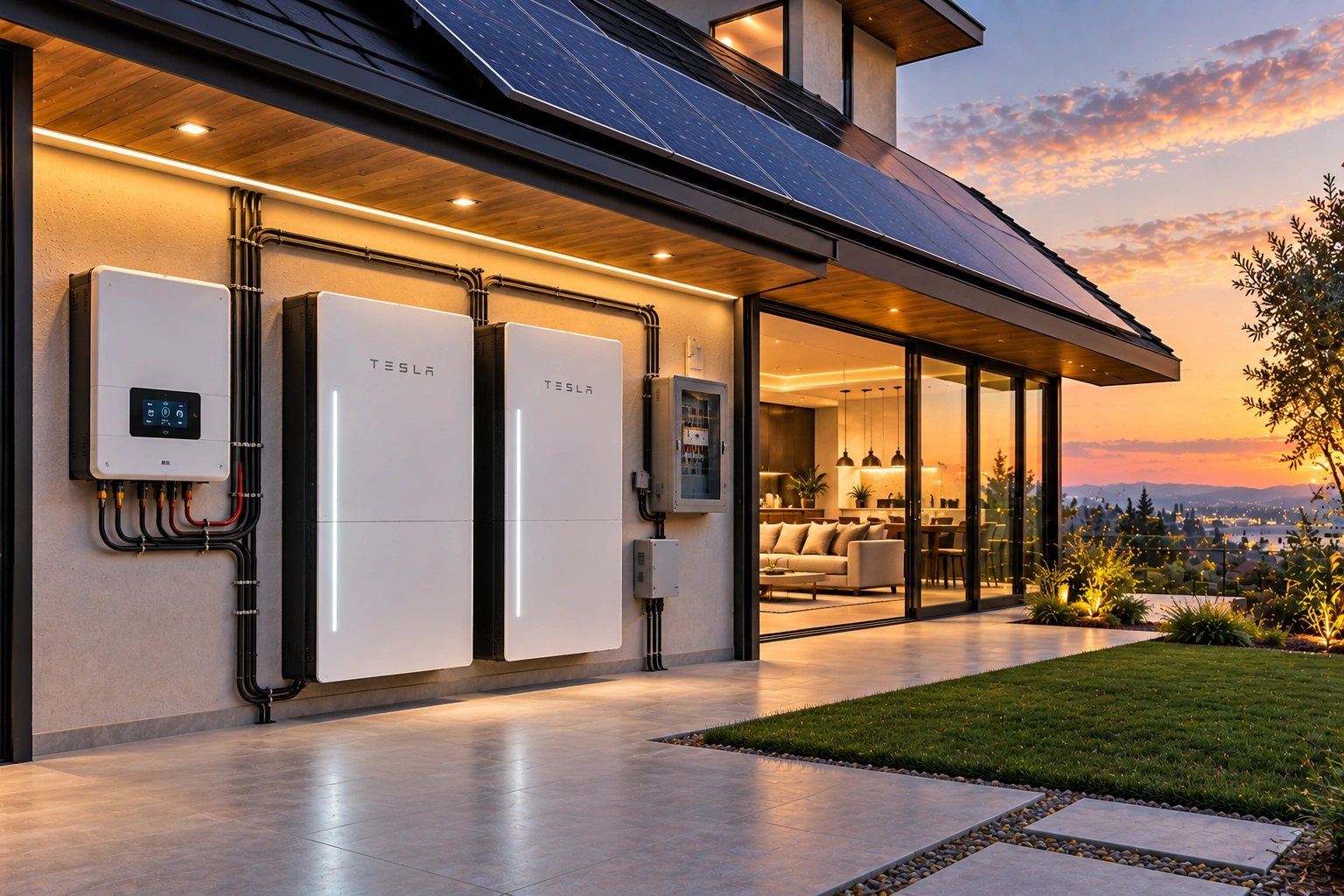
Before comparing brands or specs, figure out what you actually want the battery to do. Some homeowners only want enough backup to keep the fridge, router, and a few lights running during an outage. Others want to run their entire home, including air conditioning, for several hours or more. Write down the appliances that matter most to you and estimate their combined wattage. This single step prevents the most common mistake buyers make, which is choosing a system that looks impressive on paper but cannot actually cover their real daily needs.
Battery Chemistry Matters More Than You Think
Most home energy storage battery systems today use either standard lithium-ion or LiFePO4 chemistry. LiFePO4 batteries tend to last longer, handle heat better, and carry a stronger safety record, which is why many manufacturers are shifting toward this chemistry for home installations. Standard lithium-ion options can offer a lower upfront price, but they may need replacement sooner and require more careful temperature management. If you plan to keep your system for a decade or more, the chemistry you choose has a bigger long-term impact than most buyers realize at the time of purchase.
Key Specifications to Compare
- Usable capacity: Not all of a battery’s rated capacity is usable. Ask for the real usable number, not just the total.
- Depth of discharge: A higher depth of discharge means you get more real-world power from the same battery size.
- Round-trip efficiency: This tells you how much energy is lost between storing and using it. Higher efficiency means better value over time.
- Inverter compatibility: Confirm the battery works with your existing inverter, or budget for a matching one if needed.
- Warranty length: A longer warranty, especially one that covers capacity loss over time, signals real manufacturer confidence.
Solar Pairing and Backup Power
If you already have solar panels, a home energy storage battery lets you use the power you generate instead of sending it back to the grid at a lower rate. This shift alone can meaningfully change your monthly bill, especially in areas where export rates have dropped. If you do not have solar yet but are considering it later, ask your supplier whether the battery you choose today can integrate with a future solar setup, since not every system supports easy expansion.
Common Buying Mistakes
- Buying based on brand recognition alone without comparing usable capacity
- Underestimating future needs, such as adding an electric vehicle charger later
- Ignoring installation requirements, including space, ventilation, and local permits
- Skipping questions about what happens to performance as the battery ages
Making Your Final Decision
Once you have narrowed your options, get quotes from more than one installer and ask each one the same detailed questions about capacity, warranty, and expected performance after five or ten years. A good installer will walk you through realistic numbers for your specific home rather than generic marketing figures. Take your time with this step, since a well-chosen system should serve your household reliably for well over a decade.
Related blog post – How to Choose the Right Home Inverter for Backup Power
How Long Until It Pays for Itself
Payback time varies a lot depending on your electricity rates, how much backup power you actually use, and whether the system is paired with solar. Homes in areas with high peak rates or frequent outages tend to see value sooner, since the battery is either saving money on expensive electricity hours or preventing losses from spoiled food and disrupted routines during an outage. Ask your installer for a realistic payback estimate based on your actual usage pattern rather than a generic industry average, since the difference between the two can be significant depending on where you live and how your household uses power.
Conclusion
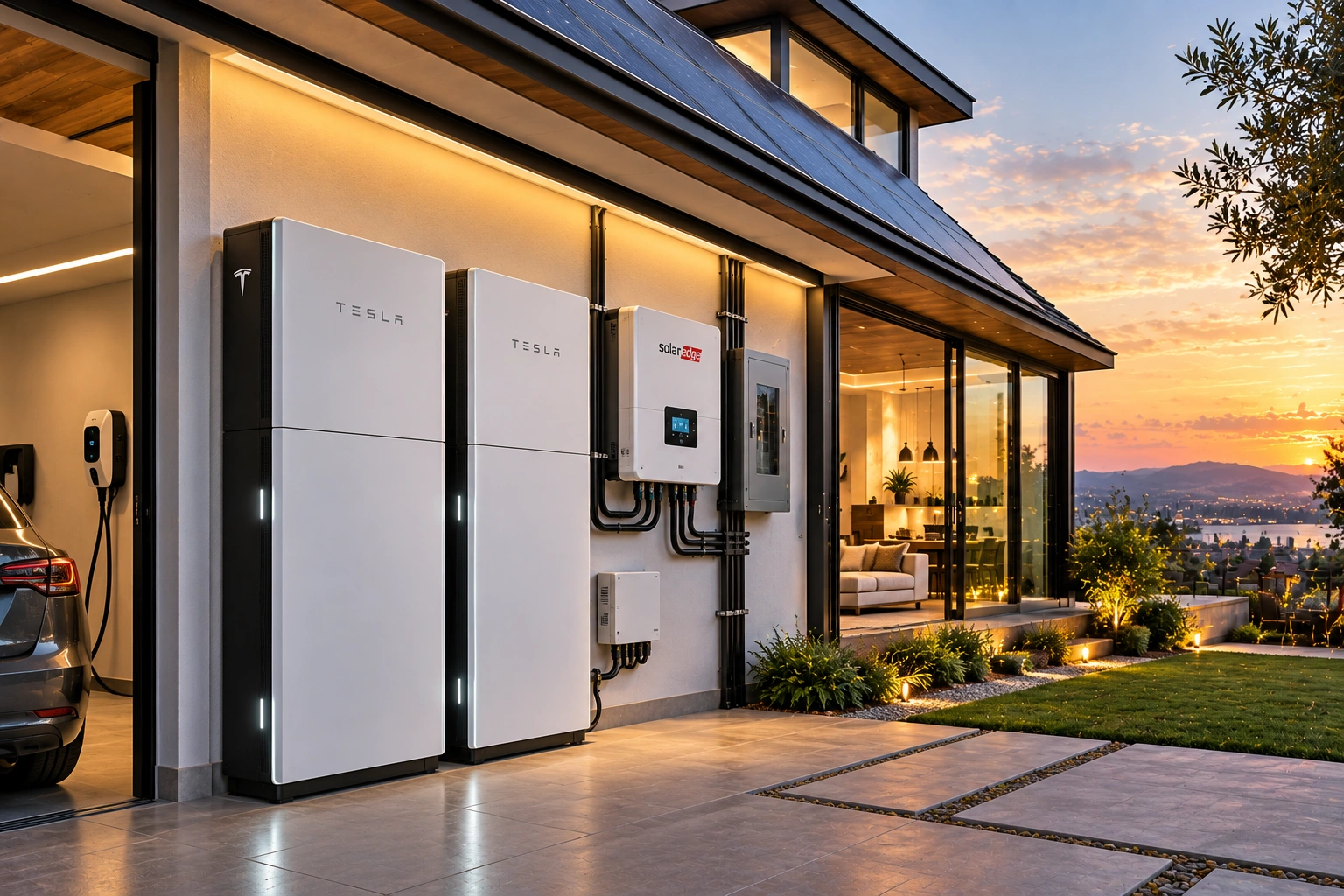
Choosing the right home energy storage battery comes down to understanding your actual power needs, comparing chemistry and specifications honestly, and working with a supplier who explains the numbers clearly. With more options available in 2026 than ever before, spending a little extra time upfront can save you from a costly mismatch later. Take stock of what matters most to your household, compare carefully, and invest in a system built to last.