
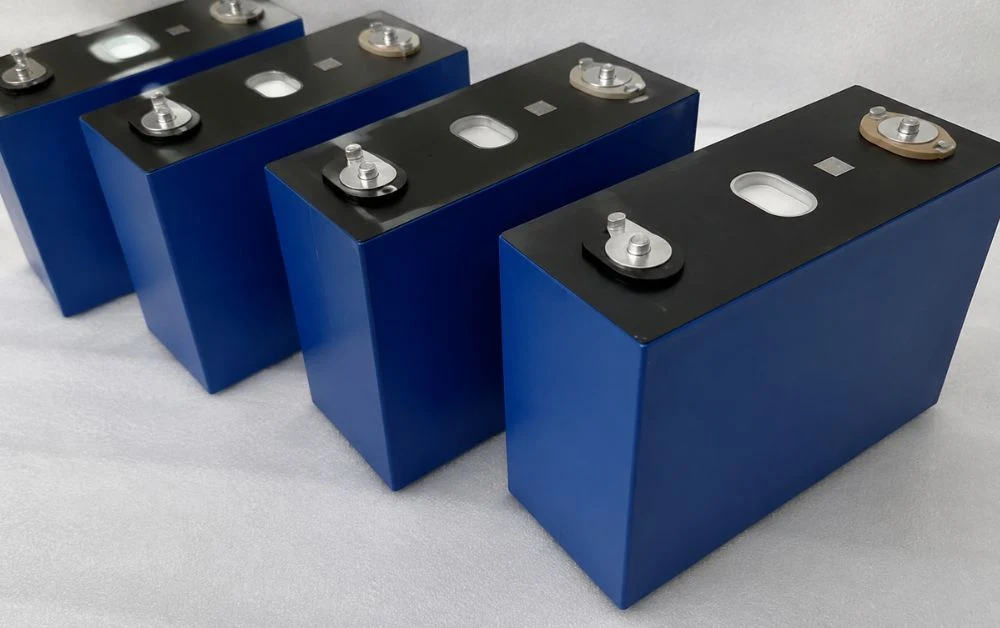
Running a shop, office, or small facility means watching every cost line closely, and electricity is one of the hardest to control. Rates change by the hour in many markets, and a single spike during business hours can wipe out a week of savings elsewhere. This is why more small and mid-sized businesses are turning to commercial battery storage instead of just accepting whatever the grid charges. Battery prices have dropped sharply over the past year, and the technology has become far easier to install and manage. This blog looks at why commercial battery storage is becoming a normal business expense rather than a luxury, and what you should know before you invest in one for your own premises.
What Makes Commercial Battery Storage Different
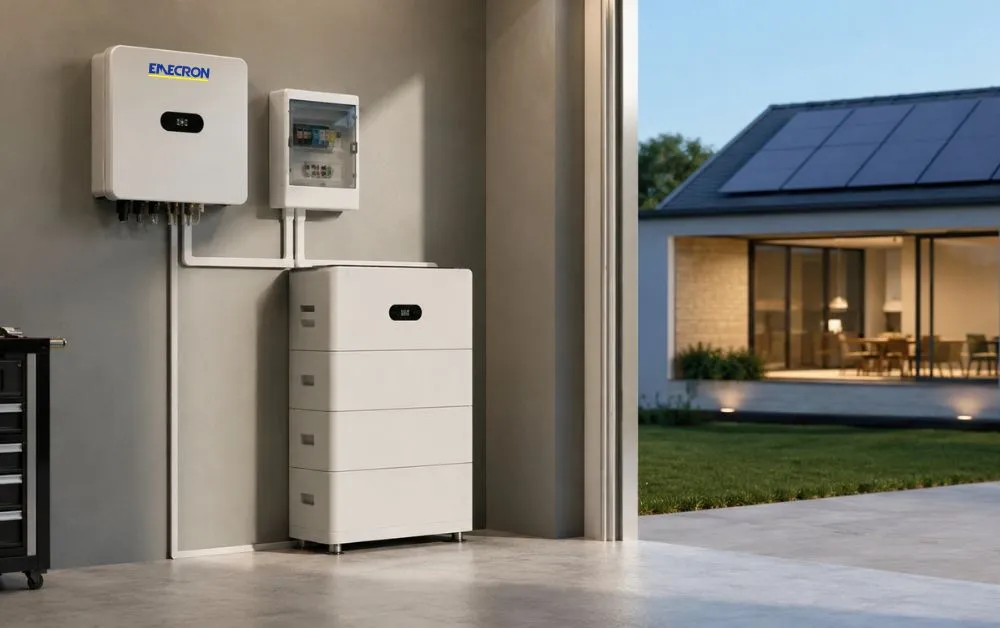
Commercial battery storage sits between small home backup units and large industrial systems built for factories. It is sized for offices, retail stores, restaurants, and similar premises that need enough power to run lighting, refrigeration, computers, and point-of-sale systems without interruption. Unlike a home system, it usually needs to handle a wider mix of equipment running at different times of day. The goal is not just backup power during an outage, it is also using stored energy strategically to avoid paying the highest electricity rates during peak business hours.
Why 2026 Is a Turning Point
Commercial-scale battery costs have fallen faster than many business owners expected this year, driven by improved manufacturing efficiency and a more stable supply of raw materials. What used to be a five-year payback period for many businesses has shortened considerably, making the investment easier to justify on a normal budget cycle. At the same time, more utility providers are introducing time-of-use pricing, which rewards businesses that can shift their energy use away from peak hours. Together, these two shifts mean commercial battery storage now makes financial sense for businesses that would have dismissed it just a couple of years ago.
How Commercial Battery Storage Saves Money
- Peak shaving: Draw stored power during the most expensive hours instead of paying premium grid rates.
- Demand charge reduction: Many commercial electricity bills include demand charges based on your highest usage spike. Batteries help flatten that spike.
- Backup protection: Avoid losses from spoiled inventory, halted transactions, or downtime during outages.
- Solar pairing: Businesses with solar panels can store daytime generation for use in the evening instead of exporting it at a lower rate.
Is Your Business a Good Fit?
Not every business needs the same size system, and that is exactly why sizing matters so much. A retail store with steady daytime hours has very different needs than a restaurant with a heavy evening rush or an office with servers running around the clock. Start by reviewing your utility bill for demand charges and time-of-use rates, since these numbers usually reveal how much you stand to save. Businesses in areas with frequent outages should also weigh the value of uninterrupted operations, since a single lost day can cost more than months of electricity savings.
Common Mistakes to Avoid
- Choosing a system based on price alone without checking your actual peak demand
- Ignoring how the battery integrates with existing solar panels or backup generators
- Overlooking installation space and ventilation requirements
- Skipping a proper load assessment before committing to a specific capacity
Getting Started the Right Way
Most businesses benefit from starting with a clear picture of their energy use before talking to a supplier. Pull at least twelve months of utility bills if you can, since seasonal swings often affect the right system size. A supplier who takes time to understand your operating hours and equipment list will give you a far more accurate quote than one who simply asks about your square footage. It also helps to ask how the system performs as your business grows, so you are not forced into an early upgrade.
Related blog post – Industrial Energy Storage System: How Businesses Are Cutting Costs in 2026
Incentives and Financing Options to Explore
Many businesses assume commercial battery storage has to be paid for entirely upfront, but that is often not the case anymore. Several regions now offer incentives or rebates tied to commercial energy storage, particularly for businesses pairing batteries with solar. Financing options have also become more common, allowing businesses to spread the cost over several years while still benefiting from lower electricity bills during that same period. Before ruling out a system because of the sticker price, ask your supplier directly about available incentives and payment structures, since these details rarely show up in a general online search and can change the financial picture considerably.
Conclusion
Commercial battery storage has moved from a niche investment to a practical business decision for 2026. With costs falling and utility pricing becoming more complex, businesses that take the time to size a system correctly are seeing real savings on their monthly bills. Review your energy usage, compare your options, and choose a system built for how your business actually operates, not just how it looks on paper.