
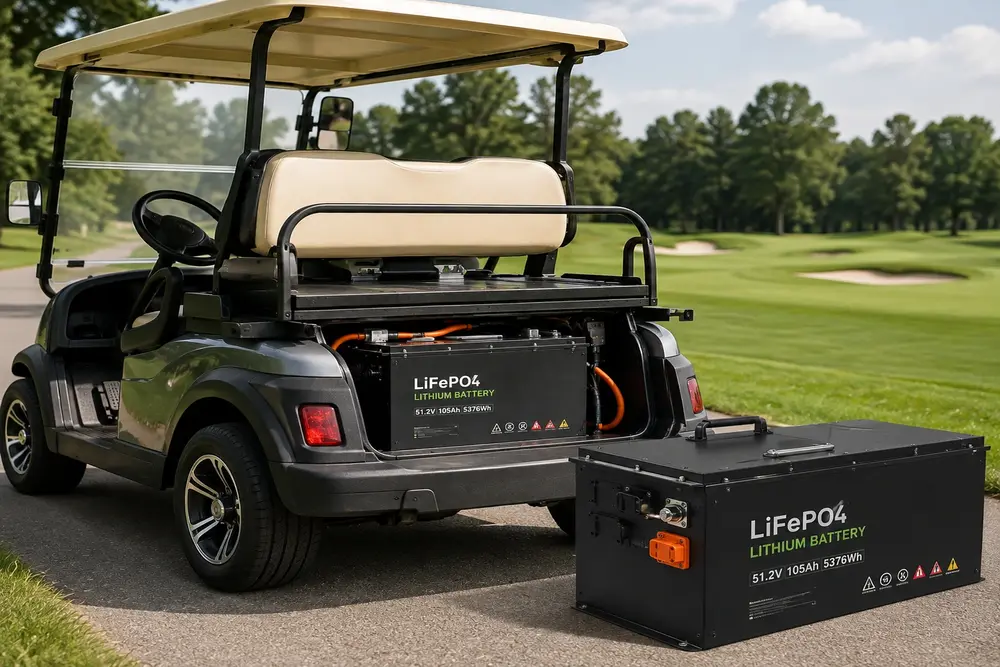
Golf courses, resorts, and gated communities all depend on golf carts running smoothly every single day. For years, lead-acid batteries were the default choice. But a golf cart lithium battery has become a serious option for anyone looking to reduce downtime and long-term costs. This blog breaks down what has changed, what lithium batteries offer, and whether upgrading makes sense for your fleet this year, so you can make the decision with real numbers rather than guesswork.
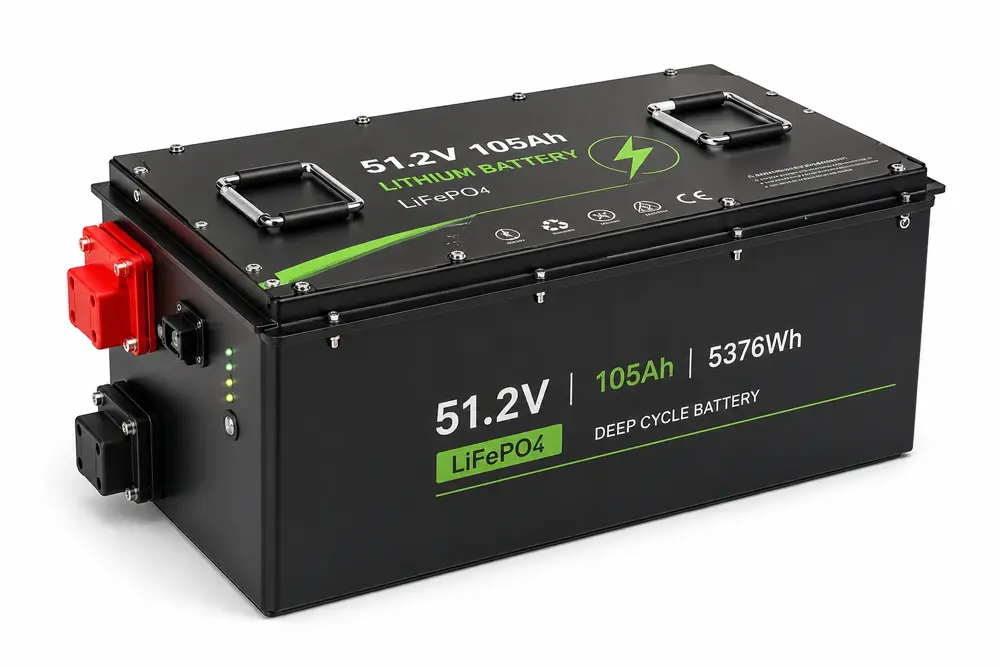
Why Lithium Batteries Are Gaining Ground
Lithium battery prices have eased compared to previous years, making the upfront cost gap between lithium and lead-acid smaller than many fleet owners expect. At the same time, manufacturers have improved battery management systems, making lithium packs safer and more reliable for daily use. This combination of lower prices and better technology is a big reason more golf cart owners are making the switch this year, and the trend shows little sign of slowing down as adoption grows across the industry.
Key Benefits of a Golf Cart Lithium Battery
- Longer lifespan: Lithium batteries often last several times longer than lead-acid alternatives under regular use.
- Faster charging: Carts spend less time plugged in and more time in service.
- Lighter weight: A lighter battery can improve cart handling and reduce strain on components.
- Consistent power: Lithium batteries maintain steady output even as the charge level drops.
- Low maintenance: There is no need for regular watering or terminal cleaning.
Comparing Total Cost Over Time
Lead-acid batteries usually cost less upfront, but they need more frequent replacement and regular upkeep. A golf cart lithium battery costs more initially, but the extended lifespan and lower maintenance needs often make up the difference within a few years. For fleets running carts daily, this gap tends to close even faster, since heavy use accelerates wear on lead-acid batteries in particular, making the switch even more worthwhile for busy operations.
Is Your Fleet a Good Fit for Lithium?
- Fleets used daily or across multiple shifts benefit the most from faster charging
- Facilities looking to cut maintenance labor see real time savings with lithium
- Owners planning to keep their fleet for many years get more value from the longer lifespan
- Budget-limited buyers replacing only one or two carts may still find lead-acid workable short term
What to Check Before You Upgrade
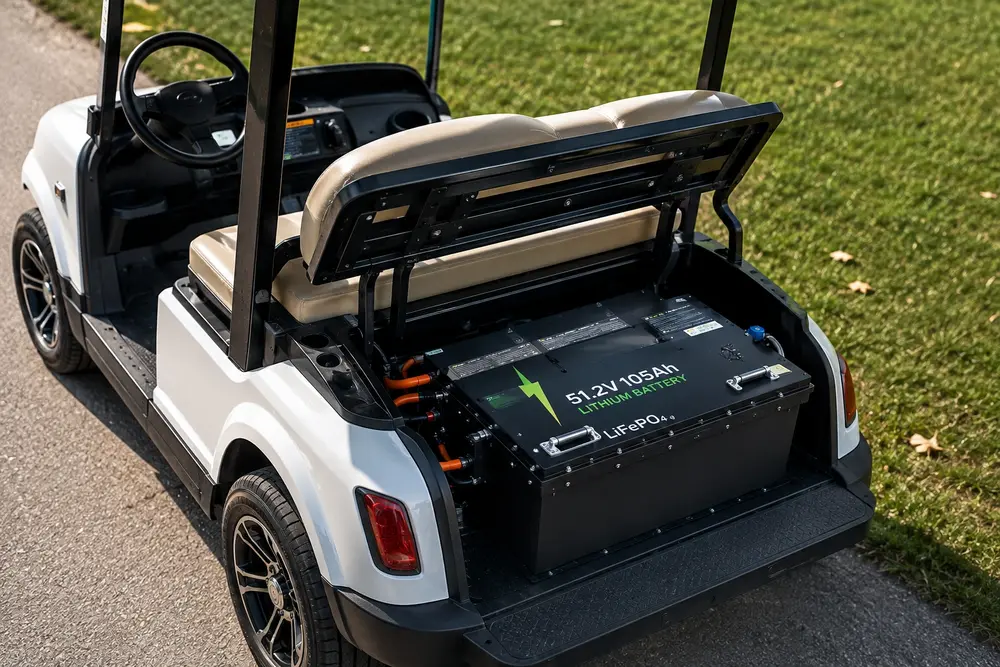
Not every lithium battery fits every cart. Before upgrading, confirm the battery compartment size, voltage requirements, and whether your charger is compatible with lithium chemistry. Some carts may need a compartment adjustment or a new charger, so it helps to speak with a supplier who can review your exact cart model before you commit to a purchase. It is also worth asking whether the supplier offers support if you run into fitment issues after installation.
Making the Switch Without Disrupting Operations
Fleet owners do not need to replace every battery at once. Many starts with a small batch to test performance under real conditions before committing to a full fleet upgrade. This approach helps you confirm compatibility and measure the actual savings in charging time and maintenance before you scale the investment across your entire operation, reducing risk while still moving toward a more efficient fleet.
Caring for Your Golf Cart Lithium Battery
Once installed, a lithium battery needs very little day-to-day attention, but a few habits help it perform well for years. Avoid leaving the battery fully drained for long periods, and store carts in moderate temperatures, when possible, especially during off-season months. Most lithium batteries also come with a built-in management system that protects against common issues like overcharging, so operators do not need to monitor charging as closely as they would with older battery types.
Frequently Asked Questions
Can I mix lithium and lead-acid batteries across my fleet? Yes, many operators run both during a gradual transition, though each cart should use one battery type consistently rather than mixing chemistries within a single cart.
Do lithium batteries perform well in cold weather? Generally, yes, though extreme cold can temporarily reduce capacity. Most quality lithium batteries include protection features that manage this automatically.
How long does installation typically take? For a single cart, installation is usually quick. Larger fleet conversions take longer and are often scheduled in phases to avoid disrupting daily operations.
Conclusion
A golf cart lithium battery offers real advantages in lifespan, charging speed, and long-term cost, especially as prices continue to become more competitive. Whether the upgrade makes sense for you depends on how often your fleet runs and how much maintenance time you want to save. Review your usage patterns, compare the numbers carefully, and decide if this is the year to make the switch.