
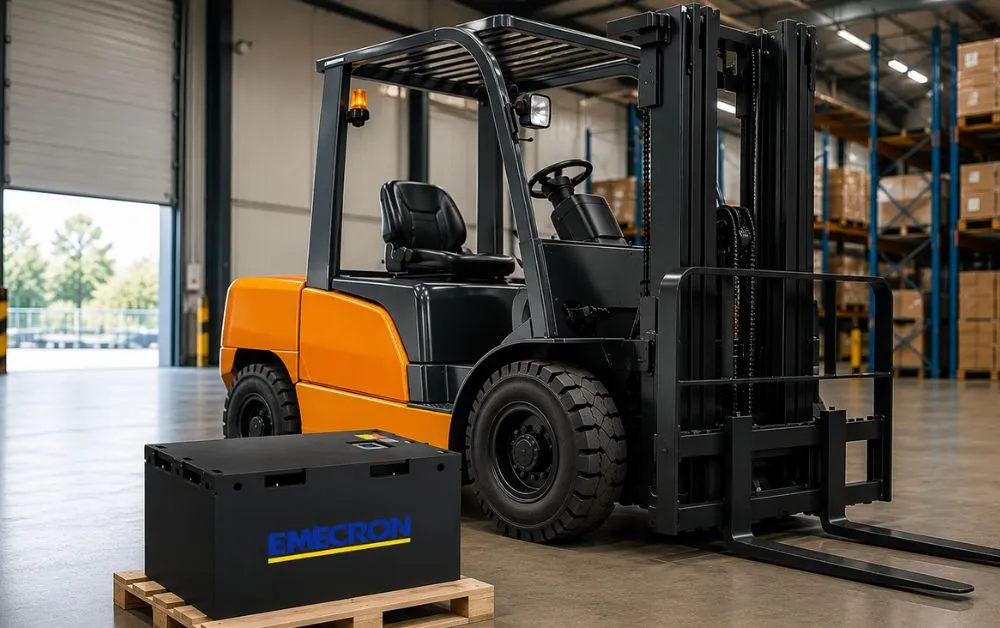
Warehouse operations depend on forklifts running reliably, shift after shift. The battery powering your forklift fleet is not a minor component — it directly determines how long each vehicle can operate, how quickly it can be recharged, and how much it costs to maintain over its lifetime. In 2026, the debate between industrial forklift batteries based on lithium technology versus traditional lead-acid is no longer close. Lithium-based industrial forklift batteries have matured significantly and are now the clear choice for high-intensity warehouse operations. This guide breaks down the key differences, the real-world impact on warehouse operations, and the factors that should drive your decision.
Understanding the Two Technologies
Before comparing them directly, it helps to understand what makes each technology work the way it does.
Lead-Acid Forklift Batteries
Lead-acid forklift batteries have been the industry standard for decades. They use a chemical reaction between lead plates and sulfuric acid to store and release electrical energy. They are relatively simple, widely available, and their technology is well understood. However, they come with serious operational limitations that become increasingly costly as warehouse operations scale up.
Lithium Forklift Batteries (LiFePO4)
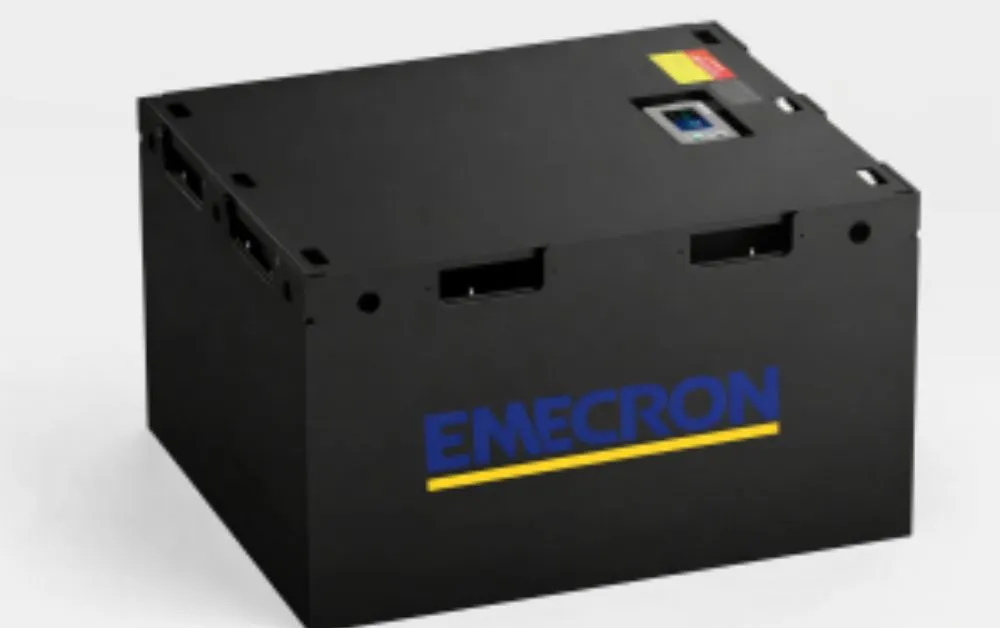
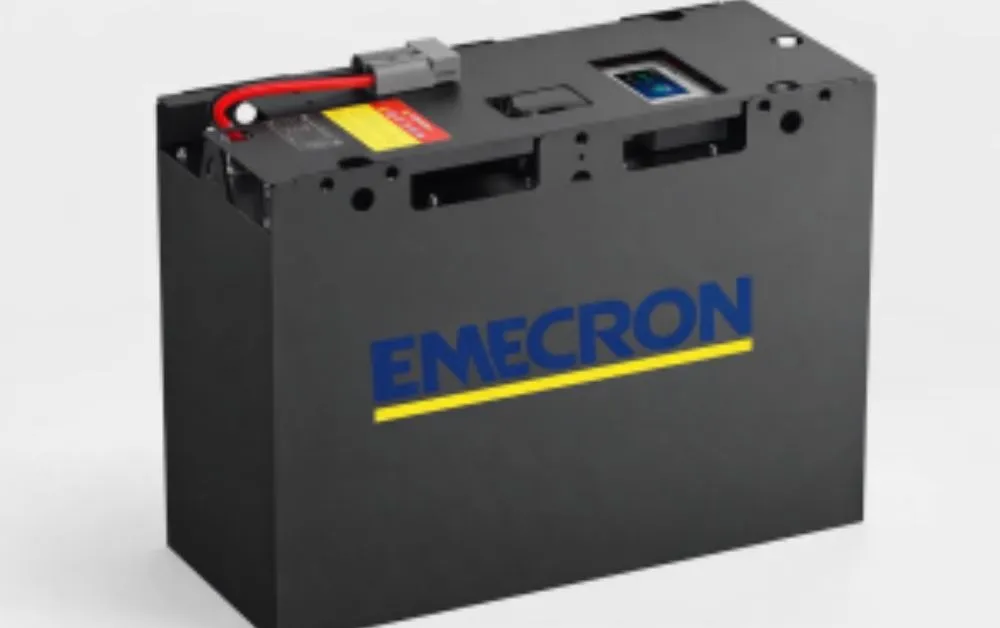
Modern lithium forklift batteries — almost always based on LiFePO4 chemistry — are engineered specifically for the demands of industrial material handling. LiFePO4 Battery Packs are designed for deep cycling, high discharge rates, fast charging, and long service life. They are sealed, maintenance-free, and operate effectively in the varied temperature conditions common in warehouse environments.
Charging: Where Lithium Wins Decisively
This is one of the most important operational differences between the two battery types.
Lead-acid batteries require a full 8-hour charging cycle and then a 1-hour equalization charge. After charging, they need to cool down for another hour before use. This means a lead-acid-powered forklift typically requires a dedicated battery — or multiple batteries if you run multi-shift operations — and a dedicated charging area. Battery swapping during shifts requires trained personnel and handling equipment for batteries that can weigh over a tonne.
Lithium industrial forklift batteries can be opportunity charged — plugged in during breaks, lunch periods, and shift changes. A lithium battery can reach 80% charge in under an hour. There is no cool-down period required before putting the forklift back to work. For multi-shift warehouses, this means one lithium battery per forklift can replace the three or four lead-acid batteries previously needed to keep the same vehicle running around the clock.
Performance and Energy Efficiency
Lead-acid batteries deliver declining voltage as they discharge, which means forklift performance degrades throughout the shift. Operators notice slower lift speeds, reduced torque, and less responsive controls as the battery drains. This is not just inconvenient — it creates safety risks and reduces throughput towards the end of each shift.
Industrial forklift lithium batteries maintain consistent voltage across their entire discharge range. This means the forklift performs exactly the same at 20% charge as it does at 100% charge. Lift speeds, travel speeds, and control responsiveness remain constant throughout the entire shift, improving both productivity and predictability in warehouse operations.
Maintenance Requirements
Lead-acid forklift lithium batteries require regular watering — topping up the electrolyte with deionized water to prevent plate damage. They also require equalization charges, terminal cleaning, and periodic specific gravity testing of electrolyte. In a large fleet, this maintenance adds up to significant labour hours and the ongoing risk of maintenance errors that shorten battery life or cause safety issues.
Lithium industrial lithium batteries are completely sealed and maintenance-free. There is nothing to water, no electrolyte to check, and no terminals to clean. The battery management system handles cell balancing and health monitoring automatically. Maintenance teams can focus their time on other priorities rather than routine battery servicing.
Read more-What Is a LiFePO4 Battery? Complete Guide for Industrial & Commercial Use
Service Life and Total Cost of Ownership
Lead-acid batteries typically last 4 to 6 years with proper maintenance, delivering around 1,000 to 1,500 charge cycles before capacity degrades to an unacceptable level. The actual service life in demanding operations is often shorter due to incomplete charging, over-discharging, and maintenance gaps.
High-quality LiFePO4 Battery Packs for forklifts are rated for 3,000 to 5,000 charge cycles and service lives of 8 to 12 years in typical warehouse operations. When you factor in the elimination of battery swapping labour, reduced maintenance costs, lower energy consumption from higher charging efficiency, and the removal of need for multiple lead-acid batteries per forklift, the total cost of ownership for lithium is consistently lower — despite the higher upfront purchase price.
Safety and Environmental Considerations
Lead-acid batteries generate hydrogen gas during charging, creating an explosion risk if ventilation in the charging area is inadequate. They also contain sulfuric acid, which poses handling and disposal challenges. Spills or damaged batteries require hazardous material procedures.
Forklift lithium batteries — particularly those using LiFePO4 chemistry — are among the safest lithium battery technologies available. LiFePO4 does not produce the thermal runaway risks associated with other lithium chemistries, does not require ventilation during charging, and contains no hazardous liquid electrolyte. At end of life, lithium batteries are fully recyclable through specialist programmes.
When Lead-Acid Might Still Make Sense
Despite the clear advantages of lithium, there are scenarios where lead-acid industrial forklift lithium batteries may still be a reasonable choice. Very low-utilization single-shift operations with long breaks between charges, where the additional capital cost of lithium cannot be justified by the operational savings, may still see adequate performance from lead-acid. Similarly, older forklifts that are close to retirement and not worth upgrading may be better matched with standard lead-acid replacements rather than investing in lithium conversion.
Conclusion
For modern warehouse operations running multiple shifts, managing large fleets, or prioritizing efficiency and safety, industrial forklift lithium batteries based on lithium — specifically LiFePO4 — are the clear answer in 2026. The combination of fast opportunity charging, consistent performance, zero maintenance, and long service life delivers a compelling operational and financial case. While the upfront cost is higher than forklift batteries using lead-acid chemistry, the total cost of ownership over the battery’s service life strongly favours lithium. If your warehouse operation is still running on lead-acid, evaluating a transition to industrial lithium batteries is one of the highest-return operational improvements available to you today.