
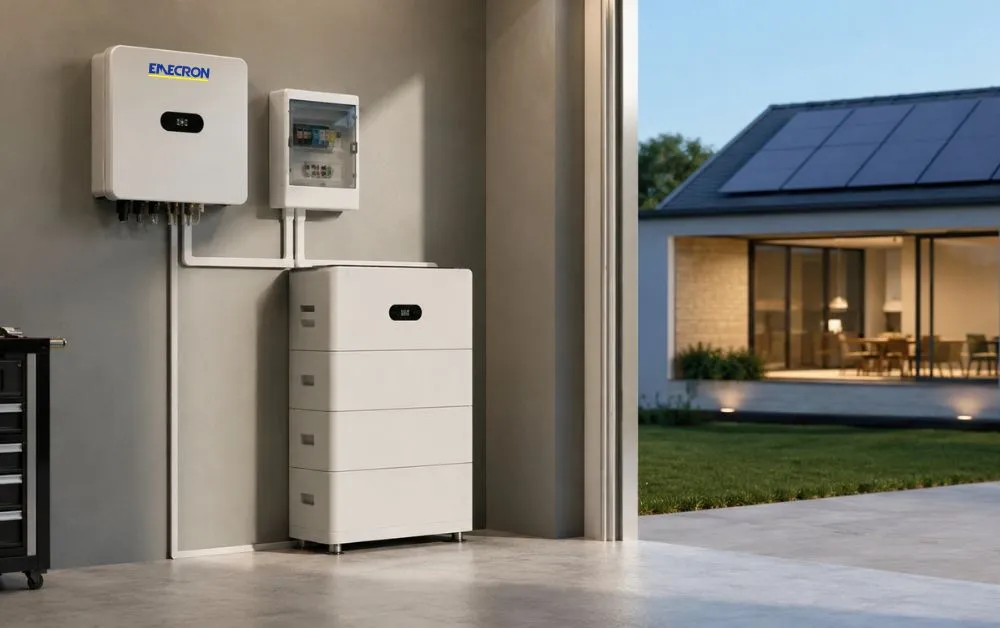
Power cuts are more than just an inconvenience. In today’s connected homes — where Wi-Fi, refrigeration, medical devices, security systems, and home office equipment all depend on continuous electricity — even a short outage can cause serious disruption. A Home Inverter paired with a battery storage system is the most practical and increasingly affordable way for homeowners to protect themselves from grid outages and keep their essential appliances running without interruption. This guide explains exactly how a Home Inverter and battery storage system work together, what components are involved, and why this combination is becoming the go-to choice for residential energy storage in homes across the UAE and wider region.
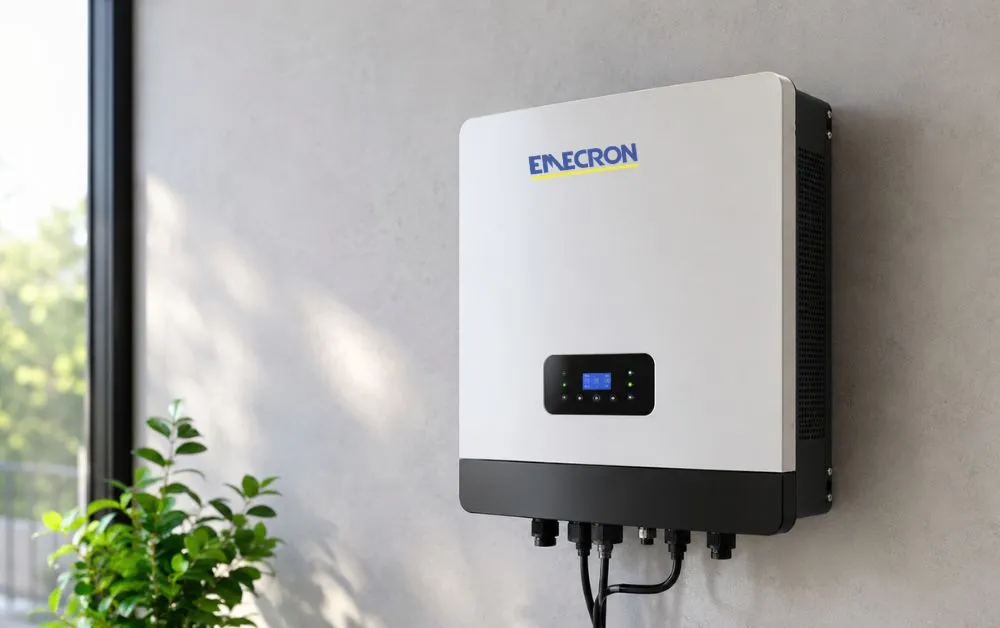
What Is a Home Inverter?
A Home Inverter is an electronic device that converts direct current (DC) electricity — stored in a battery — into alternating current (AC) electricity that household appliances can use. Most home appliances run on AC power at 230V/50Hz (the standard in the UAE). Batteries store energy as DC. The inverter bridges this gap, making the stored battery power usable for the things in your home.
Modern home inverters do much more than simply convert DC to AC. They also manage the charging of the connected battery bank from the grid or from solar panels, monitor the state of charge of the battery, regulate output voltage and frequency to protect sensitive appliances, and switch between grid power and battery power automatically when grid power fails.
How the Inverter and Battery Work Together
In normal grid conditions, the Home Inverter operates in pass-through mode — grid power flows through the inverter to your appliances, and any excess power (especially if solar panels are also connected) charges the battery. The battery is kept at a high state of charge so it is always ready to provide backup power.
When the grid fails, the inverter detects the outage within milliseconds and switches to battery-powered operation. This switchover is so fast that most electronic devices — computers, routers, smart TVs — do not even reset. Your home continues to operate normally on home energy storage battery power until the grid is restored or the battery needs recharging.
When the grid returns, the inverter switches back to grid power and begins recharging the battery for the next outage. This entire process is automatic and requires no action from the homeowner.
Types of Home Inverter Systems
Pure Sine Wave Inverters
High-quality Home Inverter systems produce pure sine wave output — the same waveform as grid electricity. This is important for protecting sensitive electronics, motor-driven appliances like refrigerators and air conditioners, and medical equipment from damage or erratic operation. Always choose a pure sine wave inverter for a home backup system to avoid appliance compatibility issues.
Online UPS-Type Inverters
These inverters keep the battery in the circuit at all times, meaning appliances are always running from the inverted battery power rather than directly from the grid. This provides zero-millisecond switchover in case of an outage because there is literally nothing to switch. They are commonly used for high-sensitivity equipment like home servers, medical devices, and sophisticated smart home systems.
Hybrid Solar Inverters
For homes with solar panels, a hybrid inverter combines the solar charge controller, grid connection management, battery charging, and backup power inverter all in one unit. This is the most popular configuration for modern residential energy storage systems because it maximises the use of solar energy while also providing grid backup capability.
Explore more-Home Energy Storage Systems in Dubai: Everything You Need to Know in 2026
Choosing the Right Battery for Your Home Inverter
The battery is the energy reservoir that your Home Inverter draws from during an outage. The right battery choice depends on how long you need backup power, how many appliances you want to run, and how many years you expect the system to last.
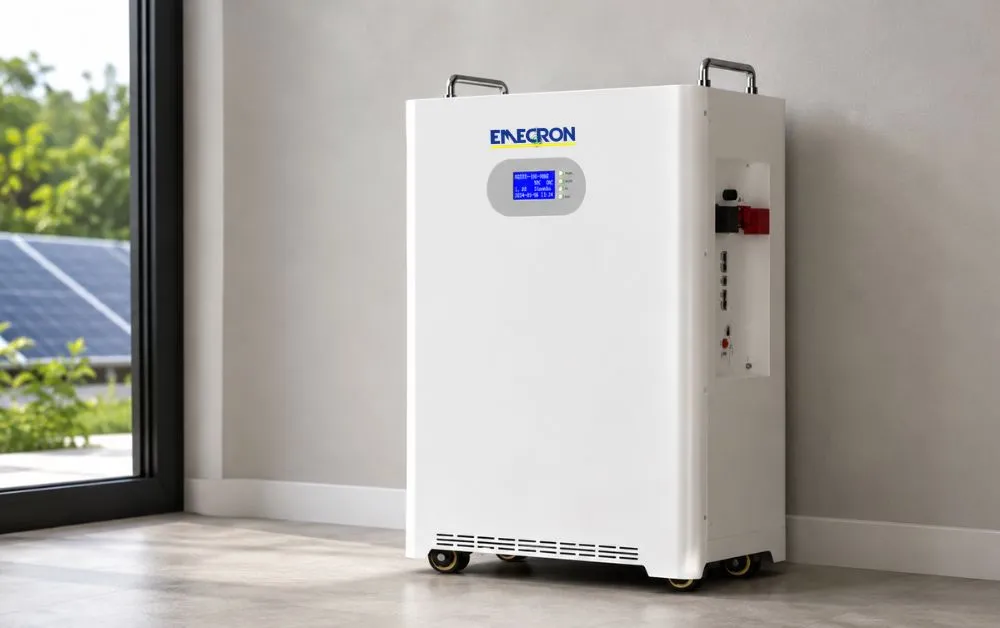
LiFePO4 (lithium iron phosphate) is now the preferred chemistry for home battery storage UAE applications. These batteries offer 3,000 to 6,000 charge cycles — meaning a service life of 10 years or more in daily home use — and they are completely sealed and maintenance-free. They charge faster than lead-acid alternatives and maintain consistent output voltage throughout their discharge cycle, ensuring appliances perform reliably all the way until the battery needs recharging.
Lead-acid batteries are still available and cheaper upfront, but their shorter cycle life, maintenance requirements, and lower depth of discharge mean they are not a good long-term investment for home energy storage battery applications in 2026.
Sizing Your Home Backup System
Correctly sizing your Home Inverter and battery is important to ensure you get the backup duration and appliance coverage you need without overspending on unnecessary capacity.
Start by listing the appliances you want to run during an outage and their power consumption in watts. A typical essential load in a UAE home might include refrigerator (150W), Wi-Fi router and modem (30W), lighting (100W), laptop (60W), and a ceiling fan or small portable AC unit (150 to 500W). Adding these together gives your continuous load requirement. The inverter must be rated to handle this load, plus a safety margin for startup surges.
For battery capacity, decide how many hours of backup you need. Multiply your total continuous load by the number of backup hours required, then add a margin for battery efficiency losses. The result is your required battery capacity in watt-hours. A good residential energy storage installer can calculate this precisely based on your actual electricity bills and usage patterns.
Home Inverter and Battery Systems in the UAE Context
In the UAE, grid power is generally reliable, but occasional outages do occur — particularly during peak summer months when the grid is under maximum stress from air conditioning demand. For home office workers, families with medical devices, and smart home owners, even brief outages are unacceptable. home battery storage UAE systems are also increasingly paired with solar panels to help reduce electricity bills by using self-generated energy rather than buying peak-rate grid power. This dual benefit — backup security plus energy cost savings — is driving rapid adoption of home energy storage battery systems throughout the region.
Conclusion
A Home Inverter and battery storage system work together to create a seamless energy backup solution that protects your home from grid outages without any manual intervention. The inverter manages the automatic switch between grid and battery power, ensures clean AC output for all your appliances, and recharges the battery whenever grid or solar power is available. When combined with a high-quality LiFePO4 home energy storage battery, the result is a reliable, low-maintenance, and long-lasting residential energy storage system that gives homeowners true peace of mind. For homes in the UAE looking to invest in home battery storage UAE solutions, now is the ideal time to explore what the latest inverter and battery technology can do for your household energy security.