
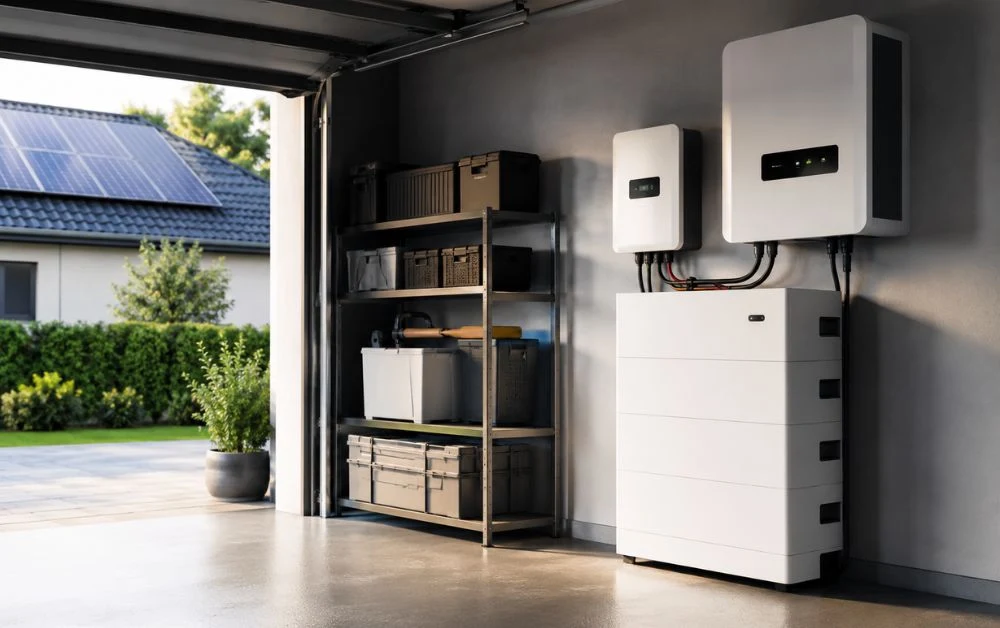
Dubai’s residential solar market has grown substantially over the past several years, driven by falling panel costs, DEWA’s net metering scheme, and a growing awareness of long-term energy cost management. But as more homeowners install rooftop solar, the natural next step is residential energy storage — a home energy storage battery system that captures surplus solar generation and makes it available when the sun is not shining.
In 2026, home battery storage UAE options have never been more accessible, capable, or cost-effective. This guide covers everything Dubai homeowners need to know before making the investment.
How Home Energy Storage Works
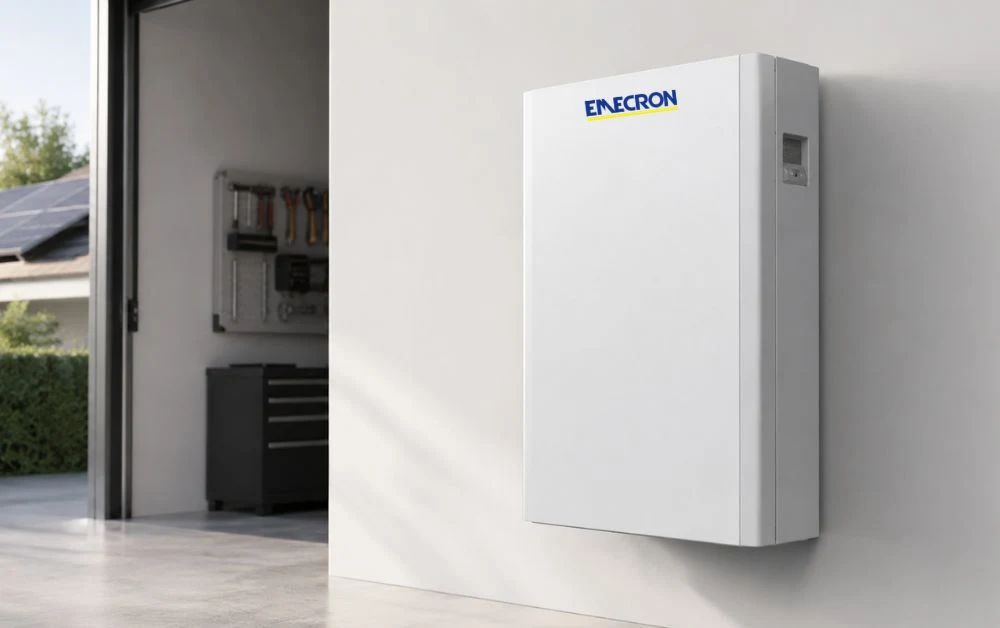
A home energy storage battery connects to your solar PV system and your home’s electrical grid connection. During the day, when your solar panels generate more electricity than your home consumes, the surplus charges the battery instead of being exported to the grid (or in addition to export, depending on your configuration). In the evening or during periods of low solar generation, the battery discharges to power your home — reducing your reliance on grid power during peak tariff periods.
Why Residential Energy Storage Makes Sense in Dubai
DEWA’s time-of-use pricing structure means electricity costs vary by time of day. By storing solar energy and dispatching it during peak consumption periods — typically early evenings when both cooling loads and human activity are highest — homeowners can meaningfully reduce their monthly electricity bills. Additionally, a residential energy storage system provides backup power capability during grid interruptions, which are infrequent in Dubai but not unheard of during peak summer demand periods.
Choosing the Right Home Energy Storage Battery
The most important specifications to evaluate when selecting a home energy storage battery include capacity (measured in kWh — most UAE homes require between 5 and 20 kWh depending on size and consumption profile), peak power output (the maximum power the battery can deliver instantaneously — important for running high-draw appliances like air conditioners), round-trip efficiency (how much of the energy put into the battery comes back out — look for 90% or above), cycle life (the number of charge-discharge cycles the battery will perform before degrading to 80% of original capacity — 4,000+ cycles is the benchmark for quality systems), and warranty terms.
LiFePO4: The Preferred Chemistry for Home Storage
The vast majority of quality home battery storage UAE products use LiFePO4 (lithium iron phosphate) chemistry — the same technology used in industrial applications — because of its superior safety profile, thermal stability in Dubai’s hot climate, and exceptional cycle life. Avoid systems using NMC chemistry for home installations in the UAE, as the elevated temperatures can accelerate degradation and present safety considerations in enclosed residential spaces.
Solar Battery for Home Dubai: Integration Considerations
A solar battery for home Dubai installation requires compatibility with your existing solar inverter (or replacement with a hybrid inverter), DEWA approval and registration for grid-connected systems, appropriate circuit protection, and correct physical installation in a well-ventilated space away from direct sunlight and excessive heat. Engage only DEWA-approved contractors and system integrators for compliant, safe installation.
Return on Investment
The return on investment for home energy storage in Dubai depends on your current consumption, solar system size, and DEWA tariff structure. For most mid-to-large Dubai villas with existing solar installations, battery storage can reduce grid electricity import by 40–70% beyond what solar alone achieves — with typical payback periods in the range of 6 to 10 years for quality systems purchased in 2026, declining as system costs continue to fall.
Choosing the Right Installer
The battery system is only as reliable as its installation. In Dubai, choose only DEWA-approved solar and battery system installers with documented experience in residential LiFePO4 deployments. Ask for references from similar-scale home installations, review sample handover documentation (system diagrams, commissioning reports, DEWA approval letters), and confirm that the installer provides post-installation monitoring support and a clear warranty process for both equipment and workmanship. A poor installation can void manufacturer warranties and create grid compliance issues — the stakes of choosing the wrong contractor are significant.
Conclusion
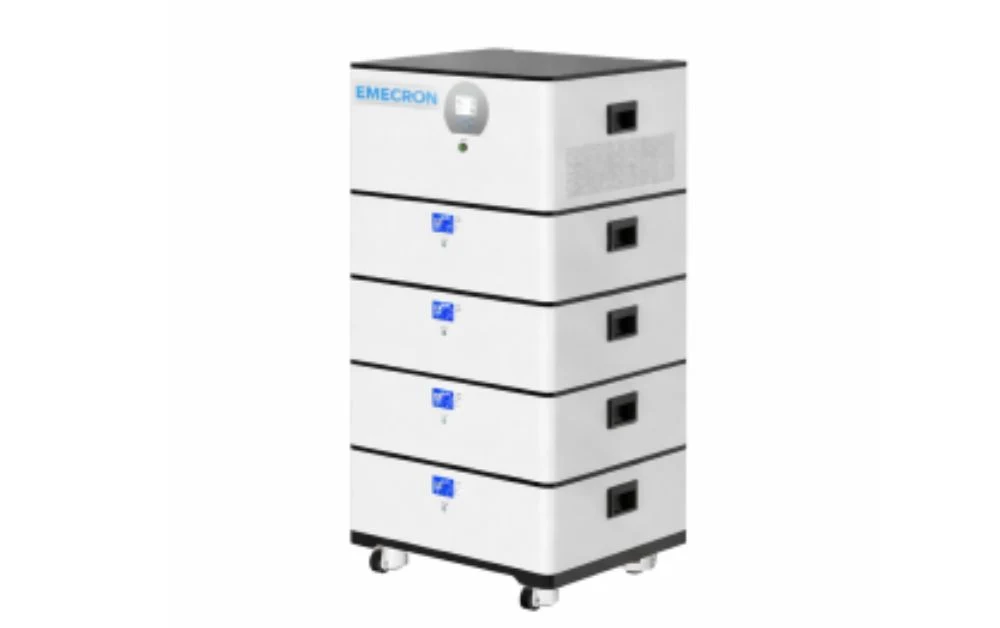
Investing in a home energy storage battery in Dubai is an increasingly rational financial and practical decision for homeowners looking to maximize their solar investment and reduce long-term energy costs. With residential energy storage technology mature, widely available, and DEWA-compatible, 2026 is an excellent time to evaluate whether battery storage is right for your home.