
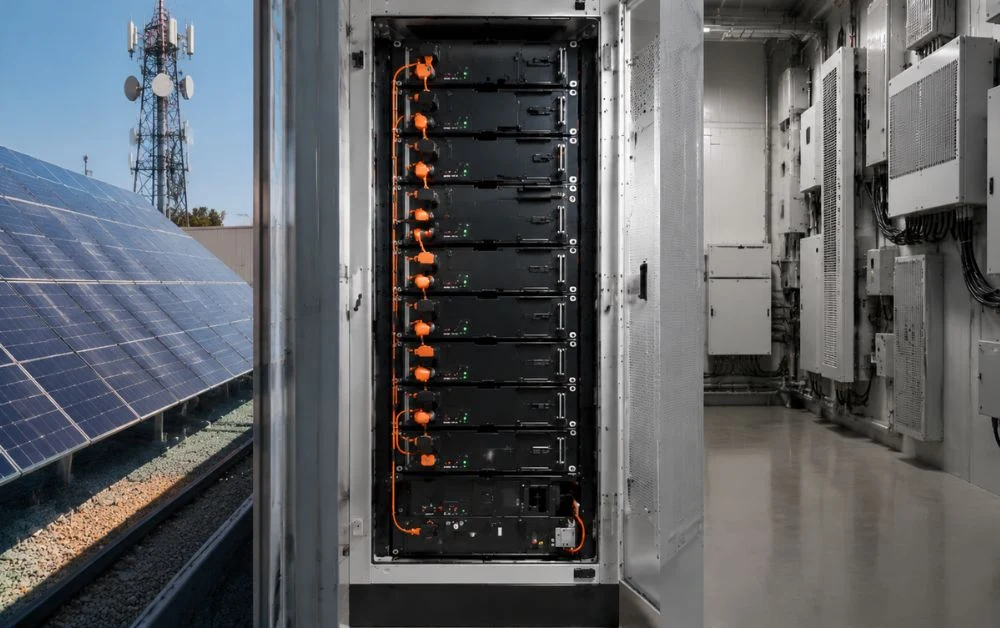
The widespread adoption of industrial lithium batteries across multiple sectors is not a coincidence — it reflects a fundamental shift in how industries manage power reliability, energy costs, and operational continuity. From factory floors to solar installations and cellular towers, industrial lithium batteries have become the backbone of modern power infrastructure in 2026.
This guide explores the specific ways these technologies are being deployed across manufacturing, solar energy, and telecommunications — and why their characteristics make them uniquely suited to each application.
Industrial Lithium Batteries in Manufacturing
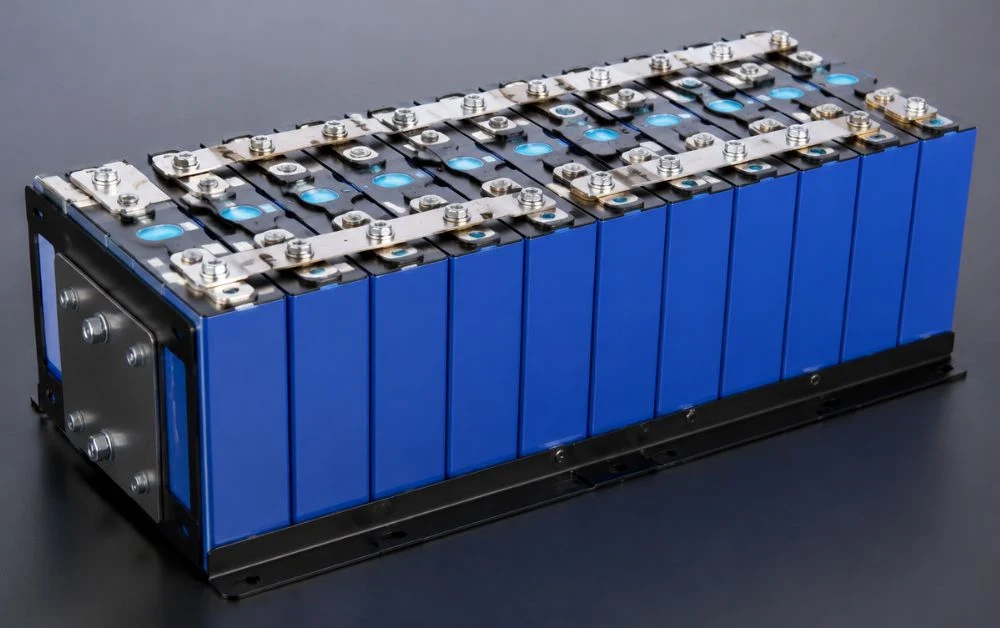
Lithium battery uses in manufacturing span a remarkable range of applications. The most visible is in material handling equipment — forklifts, automated guided vehicles (AGVs), and pallet movers that power warehouses and production facilities around the clock. Unlike lead-acid counterparts, industrial lithium batteries for manufacturing equipment support opportunity charging between shifts, maintain consistent power output throughout discharge cycles, and require no water maintenance or equalization charging. This combination dramatically reduces operational interruptions and total lifecycle costs.
Beyond mobile equipment, industrial lithium batteries power robotic systems, CNC backup power supplies, and factory UPS infrastructure. As manufacturing facilities increasingly integrate renewable energy sources and smart energy management systems, industrial lithium batteries serve as the bridge that captures, stores, and dispatches energy on demand — smoothing production costs and protecting against grid interruptions.
Industrial Lithium Batteries in Solar Energy Systems
The relationship between industrial lithium batteries and solar energy is perhaps the most transformative of all applications. A lithium battery for solar systems solves the fundamental challenge of solar power — intermittency. Solar panels generate power during daylight hours, often more than immediate demand requires. Industrial lithium batteries capture this surplus for use during evenings, cloudy periods, or peak demand windows.
For commercial solar installations on factory rooftops, warehouses, and commercial buildings, the economics of behind-the-meter storage have reached a tipping point. Energy arbitrage — storing cheap off-peak solar energy and dispatching during expensive peak grid hours — can generate significant cost savings. LiFePO4-based industrial lithium batteries are particularly well suited to solar applications because of their long cycle life (solar storage systems cycle daily) and their performance across the temperature ranges typical of rooftop installations.
Industrial Lithium Batteries in Telecommunications
Telecom infrastructure — base stations, data relay points, and network switching centers — requires uninterrupted power with zero tolerance for outages. Industrial lithium batteries are rapidly replacing traditional VRLA (valve-regulated lead acid) batteries in this sector because of their superior performance in float charging applications, longer intervals between replacement, and significantly reduced weight — a critical factor for rooftop and tower-mounted installations.
In remote telecom installations where grid power is unreliable or absent, industrial lithium batteries combined with solar or diesel generation create autonomous power systems capable of years of operation with minimal human intervention.
See also-What Is a LiFePO4 Battery? Complete Guide for Industrial & Commercial Use
Emerging Applications in 2026
Beyond the three primary sectors above, industrial lithium batteries are expanding into port and maritime operations (electric harbor craft, shore power systems), data centre UPS modernization programs, electric vehicle charging infrastructure, and large-scale grid-connected storage installations that provide frequency regulation and demand response services to utility operators.
Selection Criteria for Industrial Applications
When selecting industrial lithium batteries for any sector, the key criteria remain consistent: cycle life aligned with the expected replacement interval, thermal performance matching the installation environment, battery management system (BMS) sophistication appropriate for the application, and supplier support infrastructure that ensures rapid response to any field issues.
The 2026 Landscape: What Has Changed
In 2026, the industrial lithium battery market has matured significantly from just five years prior. Cell costs have declined, manufacturing quality consistency has improved, and the global supply chain for raw materials has stabilized following the disruptions of the early 2020s. This maturation means that industrial lithium batteries are now accessible to mid-market businesses that previously found them cost-prohibitive, and that the range of certified, tested systems available from reputable suppliers has expanded substantially — giving procurement teams more qualified options to evaluate.
Conclusion
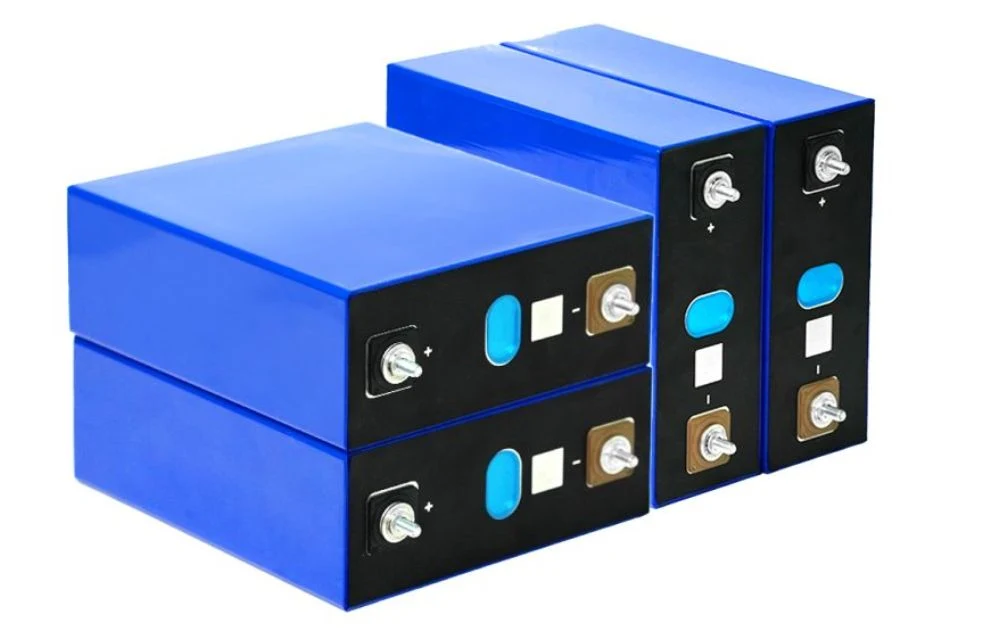
Industrial lithium batteries are no longer an emerging technology — they are the established, proven power storage solution for manufacturing, solar, telecom, and a growing range of additional sectors. Their combination of long cycle life, high safety, minimal maintenance, and scalability makes them the right choice for businesses building energy infrastructure that needs to perform reliably across decades of operation.