
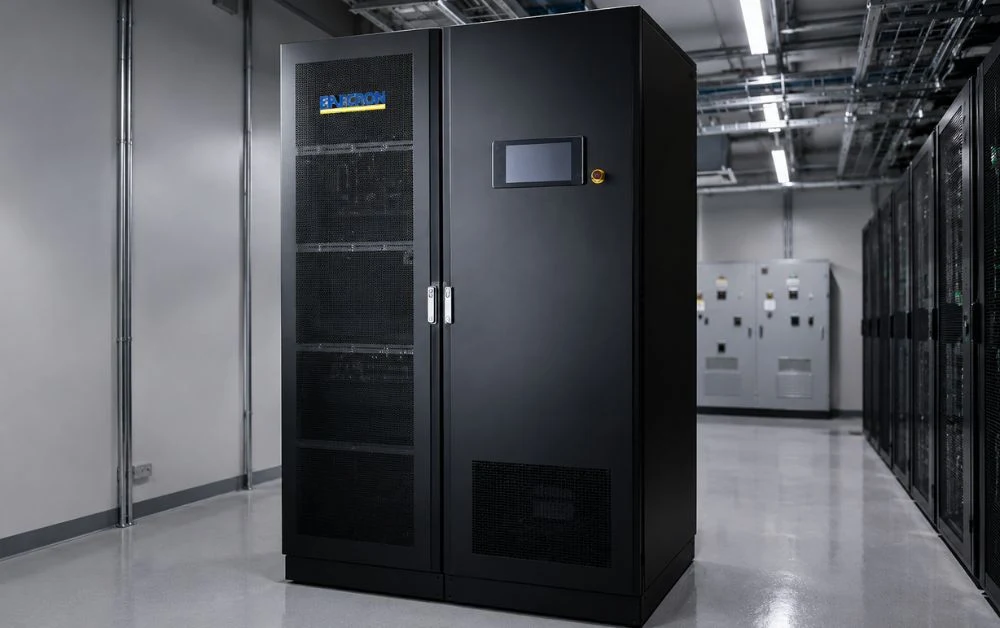
Modern data centres are among the most power-intensive facilities on the planet. The combination of high-density server loads, 24/7 operational requirements, and absolute zero-tolerance for unplanned downtime creates an environment where the quality and design of power infrastructure is mission-critical. Central to that infrastructure are three interconnected systems: the UPS for datacentre, the battery system for datacentre, and the power distribution unit (PDU). Understanding how these systems interact is essential for anyone involved in data centre design, management, or procurement.
The Role of UPS in Data Centre Power Architecture
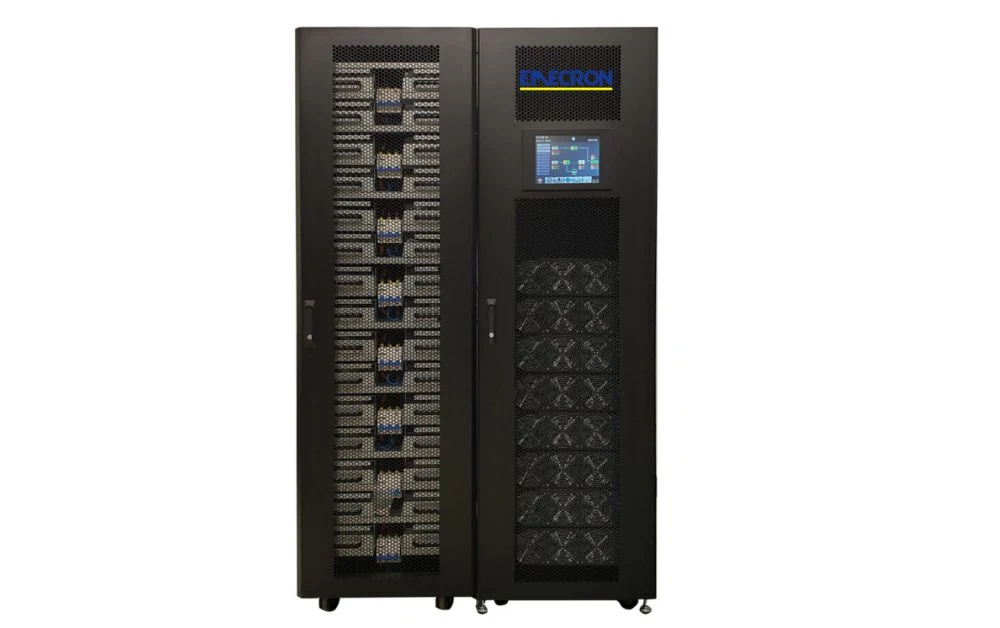
The data centre power architecture flows from the utility grid through a series of protection and conditioning layers before reaching the IT equipment. The UPS for datacentre sits at a critical junction — between the incoming power supply and the IT load. Its function is to provide instantaneous power continuity during grid interruptions, filter power quality issues (sags, surges, harmonics) that would otherwise reach sensitive computing equipment, and allow time for backup generators to start and reach stable output.
Most tier-certified data centres deploy online double-conversion UPS systems arranged in redundant configurations — N+1 or 2N — ensuring that no single UPS failure can interrupt the facility’s power supply. Larger installations may use modular UPS architectures that allow capacity expansion and hot-swappable module replacement without system shutdown.
Battery System for Data Centre: Technology Evolution
The battery system for datacentre has evolved significantly over the past decade. Traditional VRLA (valve-regulated lead-acid) strings, while still widely deployed, are being supplemented and replaced by lithium-ion and specifically LiFePO4-based systems that offer superior energy density, faster recharge, and longer service life in the float charging applications typical of UPS battery strings.
A modern data centre battery system typically includes individual battery strings with integrated monitoring, temperature-controlled battery rooms, automatic transfer and battery test capabilities, and remote monitoring integration with the facility’s DCIM (data centre infrastructure management) platform. Real-time state-of-health monitoring allows facilities teams to identify degraded batteries before they fail during an actual power event.
PDU in Data Centre: The Last Mile of Power Distribution
The PDU in data centre environments serves as the final step between the UPS output and the individual server racks. Power distribution units transform and distribute power from the central UPS system to individual rack-level outlets, providing measurement, monitoring, and in some configurations, remote switching of individual outlet groups.
Modern intelligent PDUs provide per-outlet power metering, current and voltage monitoring, over-current protection, and network connectivity for real-time power consumption reporting. This granularity is essential for data centre operators managing PUE (power usage effectiveness) targets, capacity planning, and cooling load optimization.
Find out more-How to Choose the Right Industrial UPS System for Critical Power Backup (2026 Guide)
Redundancy Configurations in Practice
Tier III and Tier IV data centres require concurrent maintainability and fault tolerance respectively. This translates to dual power paths from the utility feed through to the rack-level PDU — meaning every server is connected to two independent UPS systems, two independent PDUs, and in properly designed facilities, two separate physical power distribution paths through the building.
Key Procurement Considerations
When specifying UPS for datacentre installations, key evaluation criteria include total efficiency at typical load levels (important for operating cost), modular vs monolithic architecture trade-offs, battery string configuration and replacement accessibility, integration with DCIM and monitoring platforms, and compliance with relevant standards (EN 62040, IEC 62040).
2026 Trends: AI Workloads and Power Density
The rapid expansion of AI compute workloads in 2026 has driven average data centre rack densities to new highs, placing unprecedented demands on UPS and PDU infrastructure. Traditional 20 kVA UPS units that were adequate for standard server racks are increasingly insufficient for GPU-dense AI training clusters drawing 40 to 80 kW per rack. Data centre operators are responding with high-density UPS architectures, three-phase rack PDUs with granular outlet monitoring, and more aggressive battery capacity planning to cover the longer generator start sequences that high-density loads require.
Conclusion
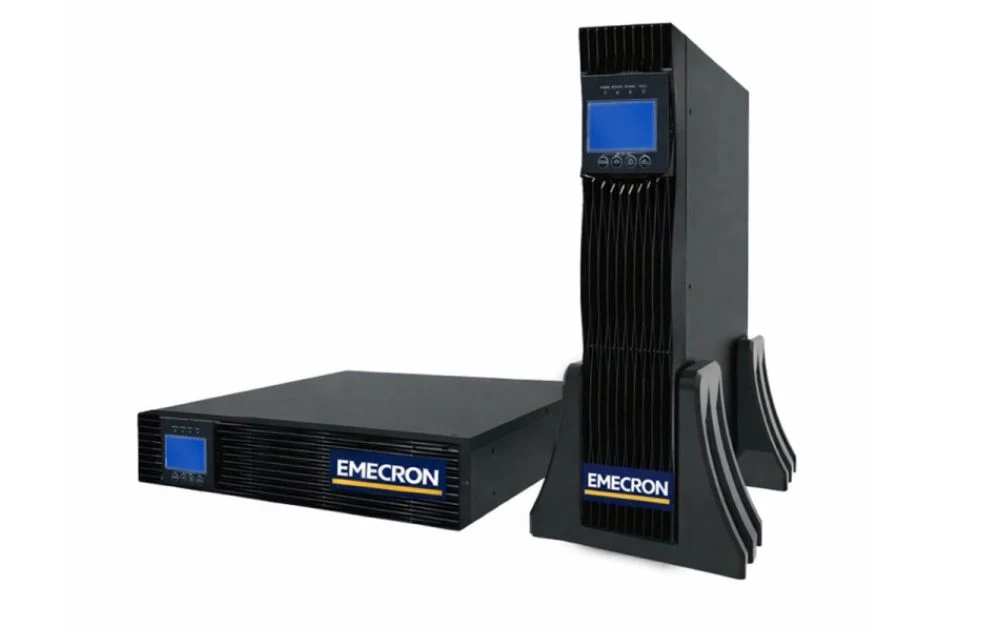
The UPS for datacentre and its associated battery system for datacentre form the protective core of any high-availability facility’s power infrastructure. Combined with intelligently specified PDU systems, they create a resilient, monitorable power delivery chain from the utility feed to the server — ensuring that the digital services that businesses and consumers rely on remain continuously available.