
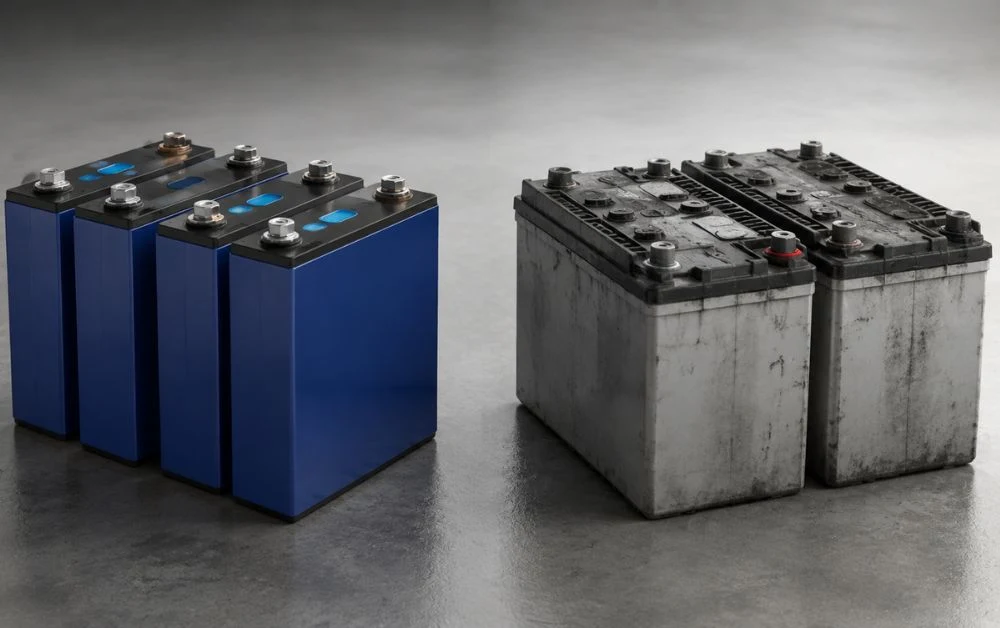
For decades, lead-acid batteries dominated the industrial and commercial power storage market. They were affordable, widely available, and well understood. But the landscape has shifted dramatically. When you examine the lifepo4 battery vs lead acid comparison with modern operational requirements in mind, the case for industrial lithium batteries has never been stronger. Whether you are powering forklifts, supporting UPS systems, or managing battery storage for logistics industry operations, understanding this comparison is essential before your next procurement decision.
The Core Technology Difference
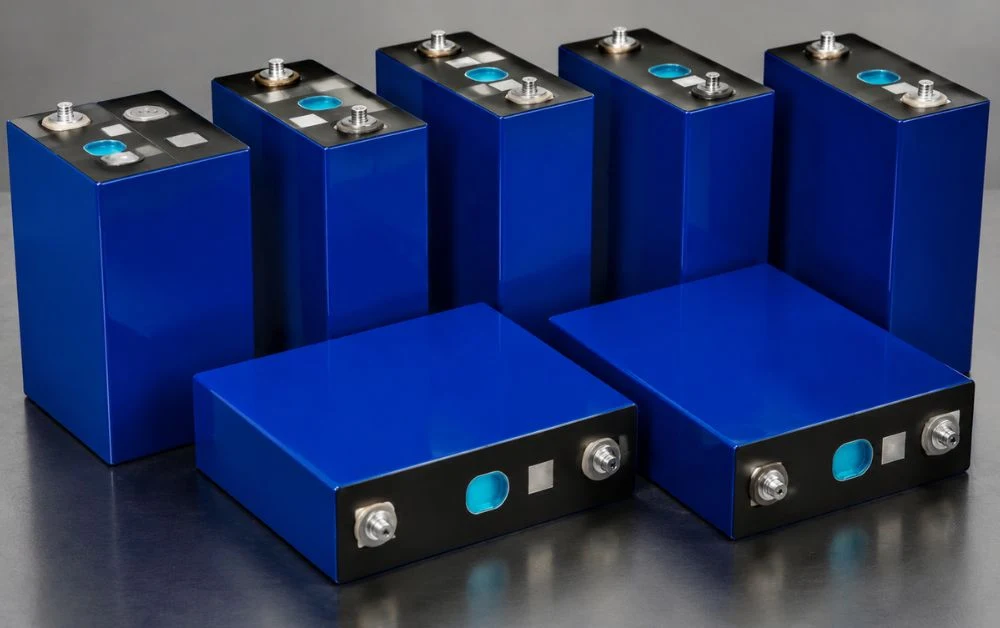
Lead-acid batteries store energy through a chemical reaction between lead plates and sulfuric acid electrolyte. They have been in commercial use for over 150 years. LiFePO4 (lithium iron phosphate) batteries store energy through lithium-ion intercalation chemistry — a fundamentally different process that offers superior energy density, efficiency, and cycle life without the toxicity associated with lead and acid.
Cycle Life: The Most Critical Difference
Industrial lithium batteries typically deliver 2,000 to 5,000 charge cycles while maintaining above 80% capacity retention. Standard flooded lead-acid batteries achieve 300 to 500 cycles under similar conditions. Even advanced AGM (absorbed glass mat) lead-acid variants rarely exceed 1,000 cycles. This difference alone fundamentally changes the economics of the lifepo4 battery vs lead acid decision — because fewer replacement events mean less downtime, less labor, and less total spend over a 10-year operational period.
Lithium vs Lead Acid Battery Cost: Long-Term Analysis
The initial purchase price of lead-acid batteries is lower — typically 30% to 50% of the upfront cost of an equivalent LiFePO4 system. However, when lithium vs lead acid battery cost is evaluated over a full 10-year operational period, the math reverses. Lead-acid replacements, regular maintenance (watering, equalization charging), shorter usable depth of discharge, and lower energy efficiency all compound into a significantly higher total cost of ownership. LiFePO4 systems, by contrast, require minimal maintenance and retain performance across their far longer lifespan.
Lead Acid Battery Disadvantages in Industrial Use
Beyond cycle life and cost, lead acid battery disadvantages become acute in demanding operational environments. Charging times are significantly longer, typically 8 to 16 hours for a full charge compared to 1 to 4 hours for LiFePO4. Depth of discharge is limited — going below 50% state of charge accelerates degradation. Temperature performance is poor; both extreme cold and heat reduce capacity and accelerate plate corrosion. Hydrogen gas emissions during charging require ventilated charging areas — an additional infrastructure cost. The weight of lead-acid systems is substantially higher, a meaningful consideration for mobile and vehicle-mounted applications.
Also Read-How Lithium Batteries Are Used in Manufacturing, Solar & Telecom Industries (2026 Guide)
Battery Storage for Logistics Industry: Why LiFePO4 Wins
The logistics sector has been one of the fastest adopters of industrial lithium batteries, and the reasons are operational. Forklift and pallet mover operations require opportunity charging — partial charge sessions between shifts — which lead-acid batteries handle poorly without degradation. LiFePO4 batteries are fully compatible with opportunity charging, enabling continuous multi-shift operation without battery swapping. Their consistent power output throughout the discharge cycle also ensures that lift performance does not decline as the battery drains — a significant productivity advantage in warehouse environments.
Safety Comparison
LiFePO4 chemistry is among the safest lithium chemistries available, with no thermal runaway risk under normal operating conditions. Lead-acid batteries, while mechanically robust, present risks from sulfuric acid spills, hydrogen gas emissions during charging, and heavy metal contamination. From a workplace safety and environmental compliance perspective, LiFePO4 presents a cleaner, lower-risk profile.
Making the Transition: Practical Considerations
For businesses currently operating lead-acid battery banks, the transition to industrial lithium batteries does not always require a complete infrastructure overhaul. Many LiFePO4 systems are drop-in compatible with existing chargers and load profiles, though a proper compatibility assessment by a qualified engineer is recommended before replacement. Phased transitions — replacing the most critical or highest-cycling battery banks first — allow businesses to manage capital expenditure while beginning to capture the operational benefits of lithium chemistry immediately.
Conclusion
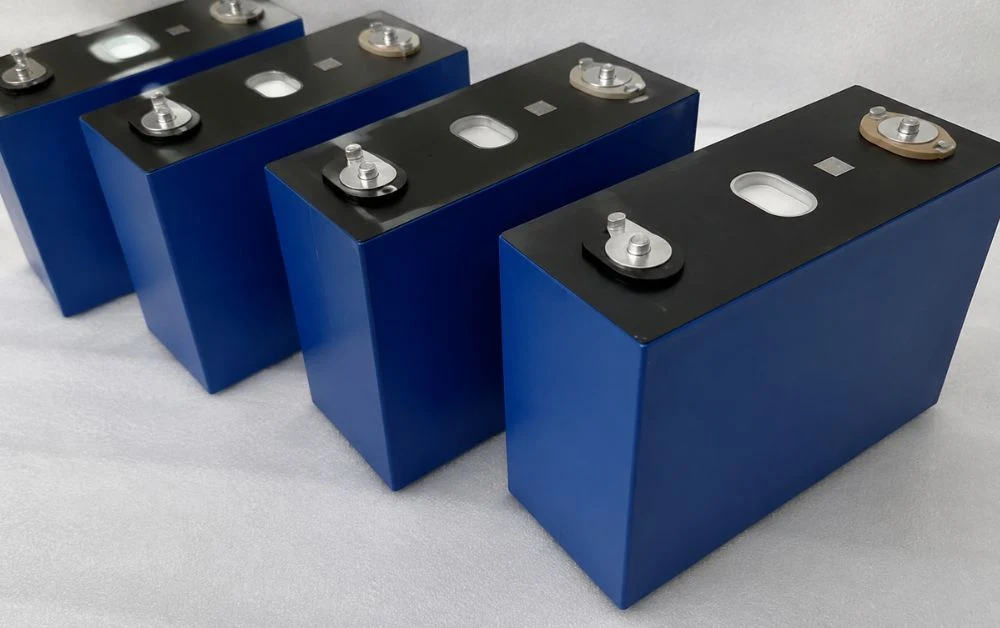
The lifepo4 battery vs lead acid debate is increasingly one-sided when viewed through the lens of modern industrial requirements. For businesses that prioritize reliability, long-term value, and minimal maintenance overhead, industrial lithium batteries represent the clear step forward. The upfront investment is higher, but the total return — measured in operational uptime, reduced maintenance, and extended service life — consistently justifies the decision.